Landscape - the world through an object -
- Landscape themed images but a smaller focused object in the frame
- Experimentation with composition
- Objects such as focusing on a text in a book, using a lensball, prism, smaller phone, etc
- Collide landscape with human aspect - capture a human's hand in the frame - ( Connor Franta inspired photography )
- Person whos facial expressions trigger the audience.
- Continue adding a small human part of the body, such as hands, just eyes, half of face. never show the full model. Intentions of this - difference and power of human subjects vs the physical world.
- Object and landscape relevant to each other.
 |
| My photography |
The genre of photography I would like to explore is landscape, with an interrupting subject always in the frame. The theme will include some portraiture or objects as part of interrupting the landscape, for example by using a lensball to flip an environment or a small quote within a book, along with human hands as inspired by Connor Franta's photography. I have chosen to do this as I enjoy the stories that are capable of being told behind landscape photos and making thes even more meaningful by adding human subjects, such as a model or their hands, eyes etc - a small part of them. The concept of human vs nature is introduced here.
Target audience and intentions:
The target audience for my exhibited work would be young adults, as I feel there are many people in this audience who are creatively active and enjoy viewing art forms that may have stories. I have chosen this idea for that specific reason, as I am passionate about telling somewhat of a story behind a collection of photos to give meaning to my photography and not only intreguie the audience, but take time out of their day to think and consider something they've seen in a deeper manner.
Output and layout:
Initial ideas I have on the layout of the collection includes using a mix of A2 and A3, as I feel the horizontal and vertical composition creates some creative vibe and composition wise may be frustratingly aesthetic, the vertical/horizontal compositions contrasting each other yet also fitting in neatly with another. One thing I would like to experiment with is continuing one photo on one print onto the next print, then having these close together when exhibited on the poly boards and other photos far in equal length from each other. The separation could have the human subject onto some parts of the first print and continued onto the next properly, this could indicate the separation that both humans and physical subjects have.
Constraints:
As the project is on location, there may be ethical issues in terms of who or what may get in the shot, for example, an ethical issue of a person in the background who may have personal constraints of getting in photographs, or using a location in which photography is prohibited. There may be issues and careful consideration required when moving the camera around, along with other equipment such as lens' , a possible tripod, etc.
Visual language:
My project will consist of various aesthetical and technical qualities, ranging from lighting techniques and experimentation between camera settings allowing things such as shallow depth of field to be created or grainy / noise photos. Lighting will be an important aspect as I am using natural light, and the time of day can affect things such as compositions of shadows & highlights, the difference in a few minutes at a sunrise or sunset, etc.
Practises and influences:
As part of developing my idea and understand professionally how it can be done, I have researched some photographers. The photographers listed have had an impact on the aesthetical qualities of my work and have helped me visualise more ways in which my work can be taken. (examples below)
Inspired photographers for my idea:
Target audience and intentions:
The target audience for my exhibited work would be young adults, as I feel there are many people in this audience who are creatively active and enjoy viewing art forms that may have stories. I have chosen this idea for that specific reason, as I am passionate about telling somewhat of a story behind a collection of photos to give meaning to my photography and not only intreguie the audience, but take time out of their day to think and consider something they've seen in a deeper manner.
Output and layout:
Initial ideas I have on the layout of the collection includes using a mix of A2 and A3, as I feel the horizontal and vertical composition creates some creative vibe and composition wise may be frustratingly aesthetic, the vertical/horizontal compositions contrasting each other yet also fitting in neatly with another. One thing I would like to experiment with is continuing one photo on one print onto the next print, then having these close together when exhibited on the poly boards and other photos far in equal length from each other. The separation could have the human subject onto some parts of the first print and continued onto the next properly, this could indicate the separation that both humans and physical subjects have.
Constraints:
As the project is on location, there may be ethical issues in terms of who or what may get in the shot, for example, an ethical issue of a person in the background who may have personal constraints of getting in photographs, or using a location in which photography is prohibited. There may be issues and careful consideration required when moving the camera around, along with other equipment such as lens' , a possible tripod, etc.
Visual language:
My project will consist of various aesthetical and technical qualities, ranging from lighting techniques and experimentation between camera settings allowing things such as shallow depth of field to be created or grainy / noise photos. Lighting will be an important aspect as I am using natural light, and the time of day can affect things such as compositions of shadows & highlights, the difference in a few minutes at a sunrise or sunset, etc.
Practises and influences:
As part of developing my idea and understand professionally how it can be done, I have researched some photographers. The photographers listed have had an impact on the aesthetical qualities of my work and have helped me visualise more ways in which my work can be taken. (examples below)
Inspired photographers for my idea:
 |
| Connor Franta hand photography |
Connor franta:
Connor Franta is an online influencer apart of various art forms including own clothing merch, creating videos on youtube as a vlogger and photography. The lighting in which Franta takes his photographs intrigues me the most, as the time mostly involves sunrise or sunset. His photographs catch my attention due to the angles they're taken at, capturing a sight of nature in the fore/background and a human hand or man made building in the back/foreground etc.
 The sections of work and images I am focusing on are the photographs including his hand. As researched from his book, Franta's intentions behind doing this is to capture a glimpse of his body in the moment. " I just take a photo of my hand pointing at the scene I wish to remember" His hand intertwines with the environment. However, there are some critics I have behind the concepts - Franta's reasoning contradicts the intentions behind my reasoning of choosing a theme of human vs nature - my idea includes the power that nature or human aspects can have and the difference between these rather than actually combining the both.
Areas of his work intertwine both a human aspect and landscape, from photographs of the sun setting at ' golden hour 'intertwining the sunset and half of the top of buildings. I therefore enjoy viewing the aesthetical light settings of the photographs.
Karl Shakur:
As researched previously, Karl Shakur is an adventure photographer who mostly includes subjects in his landscapes photos and portrays the idea of the smaller character and human traces being insignificant to the outside wider world by framing the human aspect smaller to the physical surrounding. The intentions and messages behind his work is one thing I am also aiming to show, following a similar human vs nature conflict. The suggested audiences of this photographer may include young to middle aged adults with desires to travel or those already travelling, along with audiences including storytellers or writers, possibly searching for a source of inspiration, using the photographs as a beginning of a story or by setting a scene. His work is mostly captured in natural light, as shown in the example. Researching his work will benefit me as I aim to have the same audience with the overall intentions of telling a story.
Chris Bukard:
Chris Bukard is a creative figure involving being an author, photographer, explorer and creative director. His work focuses on stories that allow humans to connect or build a relationship with the physical features of the world & appreciating this. The angle in which Bukard takes his photographs makes the natural features look more intriguing. Visual aesthetics are created in photos where the horizon line rule is used (example)
One thing that has influenced my trail of thinking is the idea that adding a human aspect to the landscape photography allows a space for audiences to relate - the audience could view the landscape as extravagant, but further imagining more when viewing a similar subject - this being a piece of the body (human subject in general) - the audience subconsciously relates to seeing a human subject, it involves them as part of who they physically are. The idea of making sure that the audience viewing the photograph feel captivated to visit the landscape or think deeper into messages behind the collection of photos is something I aspire to show in my work, considering all research.
Jim Zuckerman:
Jim zuckerman is a photographer and author who has a different approach to the mainstream view of using a human subject - the human subject in a small composition is seen as making the landscape look bigger and overall holding more significance to the wider world, overall including the concept of size. Zuckerman's approach on this is different, his idea goes against size, e.g in a photographed example of a person in front of sunlight. (example) His words - " the truth is it doesn’t matter how big they are. What matters in fine art landscape work is the composition, the light, and the graphic design. That’s why I asked him to stand in such a way to make a strong and bold silhouette with a graphically pleasing form. This is how the human element can work well in a landscape photograph. "
The audiences of Zuckerman may include those who enjoy travelling and constantly seek for new places to go or more to explore. The desired audience of my photography links to this, with the whole idea of captivating someone as to where the photo was taken- landscape / place wise etc.
Bibliography:
Connor Franta: Book - A work in progress
Chris Bukard:
https://fstoppers.com/originals/human-element-landscape-photography-151841
https://visualwilderness.com/composition-creativity/human-element-landscape-photography
Jim Zuckerman:
https://www.photovideoedu.com/Learn/Articles/jim-zuckerman-on-landscape-photography-the-human-element.aspx
Further ideas - Connor Franta is an online influencer apart of various art forms including own clothing merch, creating videos on youtube as a vlogger and photography. The lighting in which Franta takes his photographs intrigues me the most, as the time mostly involves sunrise or sunset. His photographs catch my attention due to the angles they're taken at, capturing a sight of nature in the fore/background and a human hand or man made building in the back/foreground etc.
 The sections of work and images I am focusing on are the photographs including his hand. As researched from his book, Franta's intentions behind doing this is to capture a glimpse of his body in the moment. " I just take a photo of my hand pointing at the scene I wish to remember" His hand intertwines with the environment. However, there are some critics I have behind the concepts - Franta's reasoning contradicts the intentions behind my reasoning of choosing a theme of human vs nature - my idea includes the power that nature or human aspects can have and the difference between these rather than actually combining the both.
Areas of his work intertwine both a human aspect and landscape, from photographs of the sun setting at ' golden hour 'intertwining the sunset and half of the top of buildings. I therefore enjoy viewing the aesthetical light settings of the photographs.
Karl Shakur:
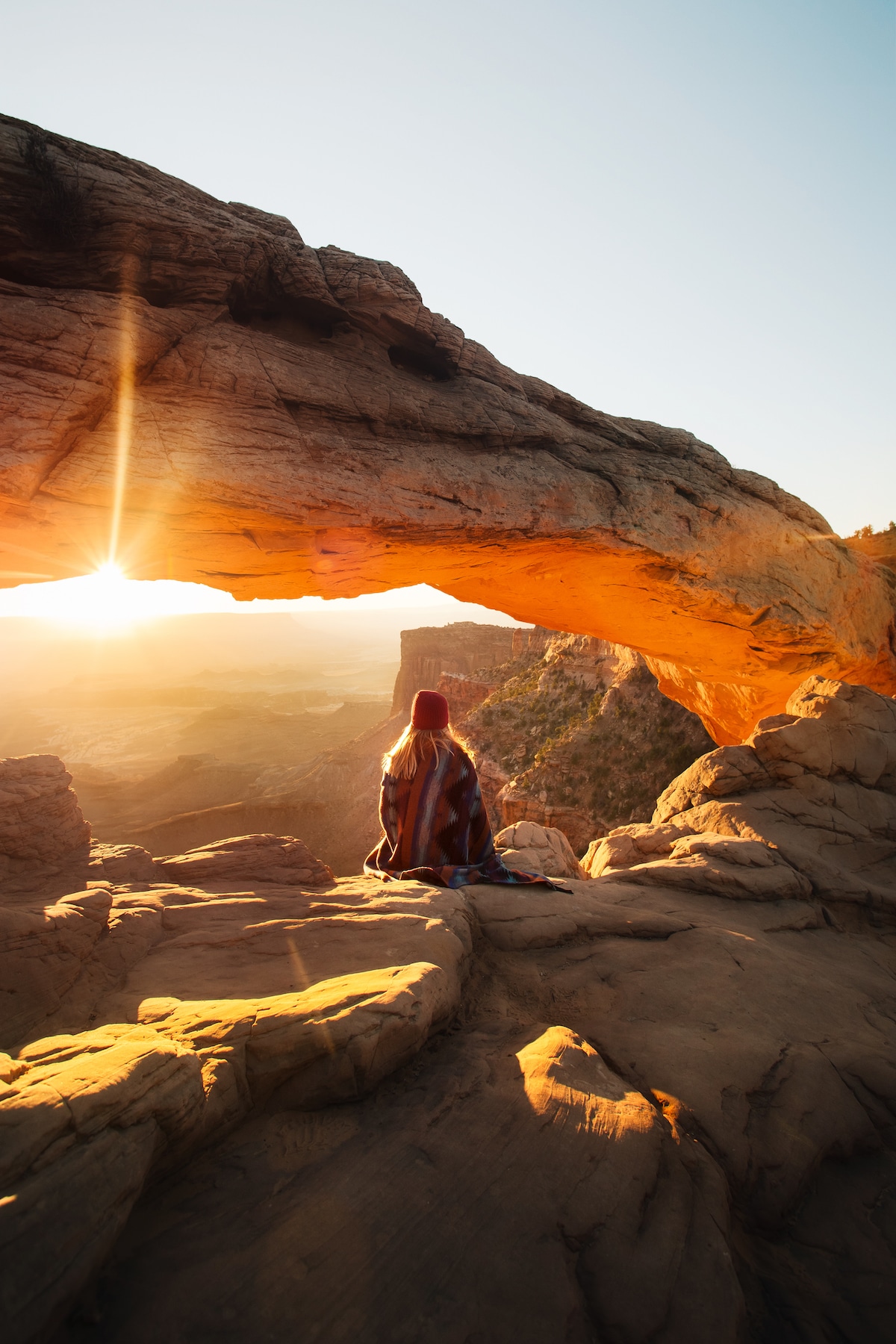 |
| Karl Shakur photography |
Chris Bukard:
 |
| Chris Bukard photography |
One thing that has influenced my trail of thinking is the idea that adding a human aspect to the landscape photography allows a space for audiences to relate - the audience could view the landscape as extravagant, but further imagining more when viewing a similar subject - this being a piece of the body (human subject in general) - the audience subconsciously relates to seeing a human subject, it involves them as part of who they physically are. The idea of making sure that the audience viewing the photograph feel captivated to visit the landscape or think deeper into messages behind the collection of photos is something I aspire to show in my work, considering all research.
Jim Zuckerman:
 |
| Jim zuckerman explained example. |
The audiences of Zuckerman may include those who enjoy travelling and constantly seek for new places to go or more to explore. The desired audience of my photography links to this, with the whole idea of captivating someone as to where the photo was taken- landscape / place wise etc.
Bibliography:
Connor Franta: Book - A work in progress
Chris Bukard:
https://fstoppers.com/originals/human-element-landscape-photography-151841
https://visualwilderness.com/composition-creativity/human-element-landscape-photography
Jim Zuckerman:
https://www.photovideoedu.com/Learn/Articles/jim-zuckerman-on-landscape-photography-the-human-element.aspx
Night photography, creating a distractive different world -
 |
| Brandon Woelfel photography. |
- Bright colours
- Portraiture and landscape
- Bokeh
- Intentions of an overall uplifting and distractive mood when viewed as a collection
- Experiment with long exposure photography
- Possible collaboration between the world through an object theme with this theme.
- Inspired by Rob - rbrgss photography.
 |
| Web image |
Landscape places or potratruitre photos, aesthetic pastel theme - editorial
 |
| Web image |
- Based around colours
- Filters and grain
- Visually pleasing places / clothing / lighting
- Photoshop


